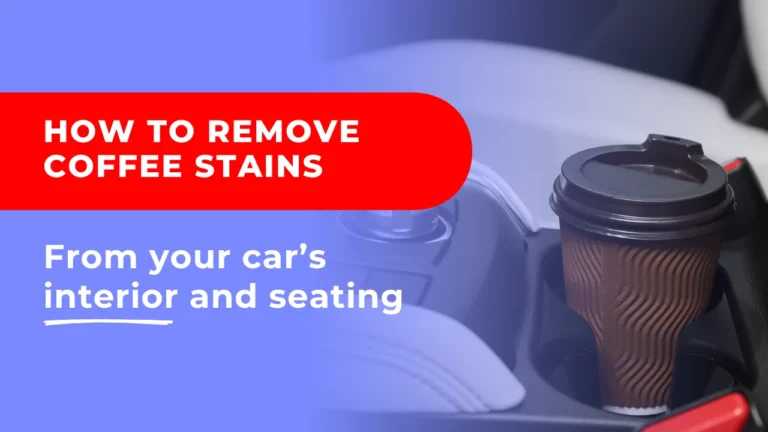

Imagine sliding into your car on a Monday morning, coffee in one hand, briefcase in the other. You glance at the seat beside you; cookie crumbs from the kids, a faint pet smell from yesterday’s trip to the park, and a splash of latte that dried quicker than you noticed.
“How did this get so bad so fast?” you think, half laughing, half embarrassed. That’s the moment most drivers realize their interior needs more than a quick wipe. With professional mobile interior detailing, the cleaning can come right to your driveway.
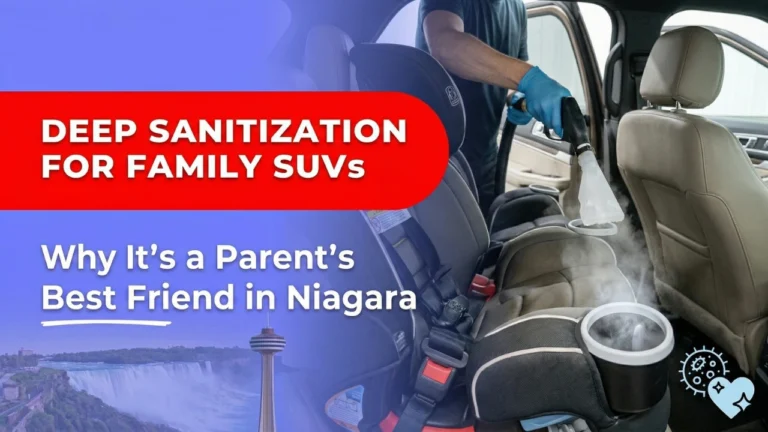
Car seats are one of the most challenging areas of a vehicle to keep clean. Between food spills, pet hair, muddy shoes, and even everyday use, your interior takes a beating. Regular vacuuming helps, but dirt and bacteria can become deeply embedded in the fabric or leather. That’s where learning how to clean car seats with a steam cleaner makes a huge difference. It’s one of the simplest ways to get the benefits of steam cleaning car seats without drenching your upholstery.
Why Clean Your Car Seats with a Steam Cleaner?
Surface wipes are the equivalent of sweeping dirt under the rug. Sure, the car looks better for a day, but the real mess is still lurking. Steam changes that. When you clean car seats with a steam cleaner, heat does the heavy lifting to loosen grime and blast away odours without soaking your seats in chemicals. It’s especially useful for:
- Parents and family drivers dealing with spills, crumbs, and sticky messes.
- Pet owners who need to eliminate odours and dander.
- Enthusiasts who want their interior to look as sharp as the exterior.
Common mistakes people make when trying to clean car seats include using too much water, scrubbing too aggressively, or failing to clean the right areas entirely. In fact, a recent CloroxPro study found that the germiest parts of a car interior aren’t always the steering wheel, but cup holders, dashboard vents, and floor mats; places that steam cleaning can reach more effectively than wipes or sprays.

The Basics of How to Steam Clean Car Seats
Steam cleaning is water’s glow-up moment. Heat turns it into vapour, pressure drives it into the fabric, and suddenly stains, bacteria, and dirt don’t stand a chance. Unlike soaking your seats with suds, this method leaves them refreshed without the swampy drying time.
- Consumer vs. Professional Equipment: Handheld or budget steamers may be fine for light refreshes, but they often lack the heat and pressure needed for deep cleaning. Professional equipment, like what Essential Auto Detailing uses, provides consistent temperature and controlled steam flow for safer, more thorough results.
- Fabric vs. Leather: Fabric seats handle steam well if you use the right technique. Leather requires extra caution because too much heat can cause fading or warping. Always follow up with a leather conditioner after steam cleaning.
- Technical Insight: Steam penetrates fibres to break down grime, but it’s also effective at neutralizing bacteria and allergens, making it a hygienic choice for families. However, always be mindful of electronics under seats, such as heated seat elements or airbag sensors. Direct exposure to steam can easily damage an iPad.
- Steam vs. Shampoo: Shampooing uses more water and chemicals, which can soak seats and leave them damp for hours. Steam cleaning achieves similar results with far less moisture, making it faster and safer when done correctly.
- The Science of Steam: Steam typically reaches temperatures above 100°C, which is hot enough to break down oils, kill bacteria, and loosen tough stains. This makes it both an eco-friendly and chemical-free way to detail your car.
Step-by-Step Guide to Clean Car Seats with a Steam Cleaner
1. Prepare the interior
- Remove floor mats and any personal items.
- Vacuum the seats thoroughly to remove loose debris.
- Spot-treat heavy stains with a gentle upholstery cleaner if needed, or follow a proven method to remove ink stains from car fabric before steaming.
- For pet hair, use a lint roller, brush, or specialized vacuum attachment before steaming. This prep step is especially helpful if you plan to steam clean fabric car seats, since hair can otherwise get locked in by moisture.

2. Set up your steam cleaner
- Fill with distilled water to avoid mineral build-up.
- Allow it to reach the proper operating temperature.
- Select the appropriate attachment: a small upholstery head for broad areas or a detail nozzle for seams.
3. Apply steam carefully
- Hold the nozzle a few inches away from the surface.
- Move in steady, overlapping passes.
- Keep moving rather than focusing on one spot too long.
- Use short, controlled bursts to prevent oversaturation. Before cleaning car seats with a steam cleaner, always vacuum the area first. Otherwise, you’ll just be steaming yesterday’s French fries deeper into the fabric.

4. Dry the seats
- Wipe with a clean microfiber cloth to absorb loosened dirt.
- Open windows, run fans, or use a dehumidifier to accelerate the drying process.
- Park in the sunlight when possible to reduce moisture more quickly.
- For leather, finish with a conditioner to restore oils.
DIY Do’s and Don’ts
- Do use short, controlled bursts of steam.
- Do a test on a small hidden area first.
- Don’t oversaturate fabric. Excess moisture can cause mould or odour.
- Don’t use steam on damaged or brittle leather.
- Don’t aim the steam directly at the seat electronics or sensors.
Steam cleaning can be part of your regular DIY car seat cleaning routine if done carefully.
Steam Cleaning Leather Car Seats (and How It Differs from Fabric)
Steam cleaning isn’t a one-size-fits-all process. Fabric and leather seats require different approaches:
- Fabric: Steam penetrates fibres to lift grime and neutralize odours. Drying is key, so always ventilate after cleaning to prevent mustiness. For suede or Alcantara, avoid direct steam, as these materials are delicate. Use minimal moisture and consider professional help if possible.
- Leather: When cleaning car seats with a steam cleaner on leather, moderation is key. Too much heat can dry out the material. Apply conditioner immediately after to maintain suppleness and shine. Water-based conditioners are generally safer for modern leathers, while oil-based ones may be more suitable for older leather.
- Ontario context: With road salt, slush, and humidity, interiors in Niagara and Hamilton see faster wear. Steam cleaning helps dissolve salt that is embedded in fabrics and prevents leather from cracking due to heated winter interiors.
Maintenance After Steam Cleaning
Steam cleaning refreshes your seats, but maintaining them keeps them looking good longer:
- Vacuum regularly to prevent debris from embedding.
- Use protective sprays to repel spills and stains.
- For families and pet owners, consider seat covers to reduce day-to-day wear.
- Schedule seasonal interior detailing to keep buildup under control.
Common Myths and Misconceptions
Myth #1: Steam cleaning can ruin seats.
Reality: When done correctly, steam is safe and less risky than oversaturating fabric with water. Problems only occur with misuse.
Myth #2: Steam replaces professional detailing entirely.
Reality: Steam is powerful, but professionals add layers of protection, odour treatments, and conditioning that DIY steam cleaners can’t provide.
Real-World Use Cases for Steam Cleaning Cars
- Family SUV with milk spills: DIY steam helps sanitize, but sometimes you need targeted methods to clean a baby car seat when the mess is layered with crumbs and spills.
- Dog owner’s hatchback: Steam lifts fur and odours, but if you’ve ever struggled to fully get Rover’s smell out of your car, you’ll know protective sprays and pro treatments can make the difference.
- Weekend sports car with leather seats: Minimal steam, combined with leather conditioner, preserves the appearance without drying or cracking.
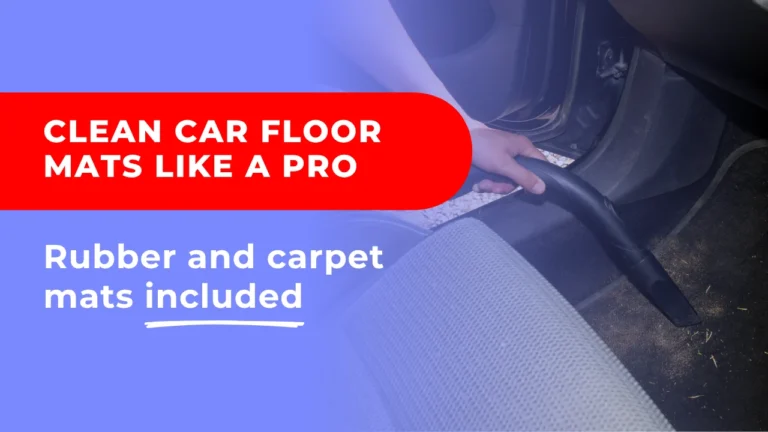
Bonus tip: Our seats aren’t the only things carrying yesterday’s mess. Floor mats soak up road salt, carpets trap crumbs, and even the car’s ceiling fabric can trap odours. Steam can tackle all of them, so the whole cabin feels fresher, not just the seats.
When to Call a Professional Instead
DIY steam cleaning works for light maintenance, but some situations are best left to the pros:
- Stubborn stains that won’t budge.
- Lingering odours from pets, smoke, or spills.
- High-end leather, alcantara, or specialty upholstery.
- Preparing a vehicle for resale or lease return.
While renting or buying a small steam cleaner may seem cost-effective, repeated trial and error can cause more damage than savings. Professionals save you time, ensure safer results, and help extend the life of your upholstery. For example, a parent’s minivan with milk spills often needs enzyme treatment beyond steam, while an enthusiast’s convertible requires delicate handling of premium leather.
What Professionals Add:
- Industrial-grade steamers with consistent heat and pressure.
- Tailored techniques for different fabrics, leathers, or blends.
- Access to specialty treatments: enzyme cleaners for biological stains, ozone machines for odour removal, and protective coatings to keep seats cleaner for longer.
Professionals like Essential Auto Detailing combine all of these to restore interiors properly.
What People Also Ask About Steam Cleaning Vehicle Seats
Can I steam clean car seats myself?
Yes, but follow best practices to avoid damage. Always test on a hidden area first.
u003cstrongu003eHow long does it take car seats to dry after steam cleaning?u003c/strongu003e
Typically, a few hours with ventilation are sufficient, but professional methods can speed up the drying process further.
Is steam cleaning safe for leather?
Yes, if done minimally and followed by conditioner.
u003cstrongu003eCan I steam clean heated seats?u003c/strongu003e
Use extreme caution and avoid direct steam on heating elements.
Long-Term Value of Steam Cleaning
Regular steam cleaning is often the best way to deep clean car seats while also helping:
- Preserve resale value by preventing permanent stains.
- Reduce allergens and bacteria inside the cabin.
- Extend the lifespan of fabric and leather seats.
Skipping steam cleaning might save a few bucks now, but it’s like never vacuuming your house; sooner or later, the mess catches up. Treat it as an investment, and you get a fresher ride today and fewer headaches tomorrow.

The Drive Feels Different After Steam
Think back to that Monday morning scene: coffee in one hand, noticing crumbs and stains on the seat beside you. Now picture the same drive a week later… the crumbs gone, the pet smell lifted, the latte stain no longer a reminder of a rushed morning. Instead, the cabin feels fresh, the seats look cared for, and there’s a sense of relief knowing the mess is behind you. It’s not spotless perfection, but a car that feels ready for you again.
And when you want lasting results without second-guessing, Essential Auto Detailing is ready to help.
Prefer to leave it to the pros?
Skip the hassle — get mobile interior car detailing across Welland & the Niagara region. We come to you.