It happens to a lot of people. A couple gets into the car before work, half‑awake and trying to get out the door on time.
“Did you grab your lunch?” she asks while buckling in.
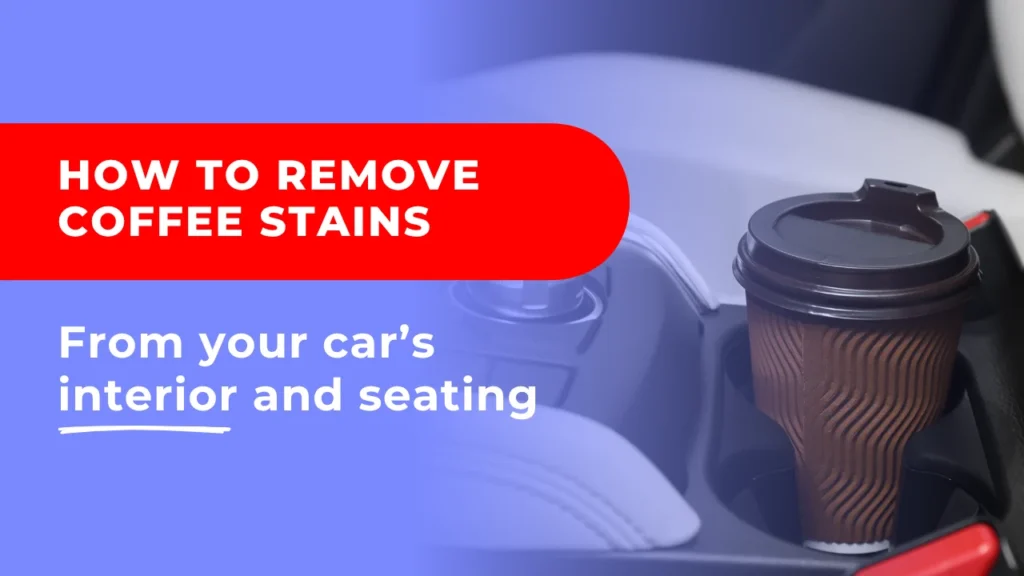
“Thought you had it,” he says, setting his coffee on the centre console for a second too long.
She reaches for her bag, bumps his arm, and the cup tips. Not a big spill, but just enough to soak into the seat.
They both stop and look at it.
“Should I wipe it now?” he asks.
“I don’t know… maybe? We’re already late,” she says, watching the stain slowly spread.
He grabs a napkin from the glove box, dabs it once, and hesitates. “Feels like I’m making it worse.”
A lot of drivers end up in this same spot and grab whatever’s nearby, hoping for the best. Quick scrubbing or the wrong cleaner usually pushes the stain deeper or leaves a ring behind. For many people, this is where a mobile interior detailing service would stop the stain from settling before it becomes a problem.
Spills like this are common. The AAA Foundation for Traffic Safety notes that reaching for drinks or other items is a significant source of driver distraction, as outlined in its 2024 Countermeasures for Distracted Driving report. So it’s not surprising how often these stains happen.
Here’s a simple way to handle them.
Why do coffee stains set quickly?
Coffee carries oils, dyes, and heat are all things that soak into surfaces quickly. Hot liquid opens the fibres in your seats, letting the stain work its way in. Even a small spill can leave a dark patch with a sharp outline.

Different surfaces react differently:
- Fabric seats absorb odours quickly and hold them.
- Leather seats resist moisture at first, but can discolour once liquid gets through.
- Vinyl doesn’t absorb as much, but residue can settle in the texture.
Early signs the stain is settling:
- Dark edges around the spill
- A tacky feel once it dries
- A coffee smell that stays
If the interior already needs a deeper clean, a mobile car detailing service can handle it without you having to leave your home.
Step‑by‑step methods that work
What you do depends on the seat material.
For fabric seats
- Blot, don’t scrub. Press a towel onto the spill to lift moisture.
- Mix warm water and mild soap. A small amount goes a long way.
- Apply lightly. Dab the mix onto the stain without soaking the fabric.
- Brush gently. A soft brush helps lift residue.
- Rinse with clean water. Wipe away any soap left on the surface.
- Dry fully. Use a dry towel and keep the door open for airflow.
If you want a full walk‑through of DIY cleaning car seats, some of those steps line up well with what you’re doing here.
For leather seats
- Wipe the surface. Remove what you can with a damp cloth.
- Use a leather‑safe cleaner. Light pressure is enough.
- Wipe again with a clean cloth. Avoid leaving moisture behind.
- Condition after it dries. Keeps the leather from drying out.
For vinyl surfaces
- Use a mild interior cleaner. Strong products can cloud the surface.
- Wipe with a microfiber towel. Helps remove residue.
- Dry with a clean towel. Prevents streaking.
Ontario‑specific situations that make stains worse
Some local conditions make stains tougher to deal with:
- Winter salt: Salt mixed with coffee leaves chalky outlines.
- Road grime: Coffee plus grit works deep into seat fibres.
- Repeated family spills: Older stains settle below the surface.
- Heated seats: Heat can bring older coffee residue back to the surface.
Steam extraction is often the simplest fix because it pulls out what’s underneath.
What not to do
A few habits can make the stain worse:
- Hot water on fabric
- Circular scrubbing
- Oversoaking the seat foam
- Vinegar or baking soda mixes that leave residue
- Glass cleaner or strong chemicals on leather
These can push the stain deeper or damage the surface.
Why do some stains reappear after drying?
If a stain comes back after looking lighter at first, one of these is usually the reason:
- Wicking: Moisture from deeper layers rises back to the surface.
- Soap residue: Leftover cleaner attracts dirt.
- Uneven drying: Edges dry faster and darken.
Knowing this helps you avoid repeating the same cycle.
Cleaning older, dried coffee stains
Older stains need a slower approach:
- Lightly dampen the area to loosen residue.
- Use mild soap and dab rather than scrub.
- If the fabric lightens unevenly, clean the surrounding area to blend it.
These steps help lift older marks without spreading them. Older stains behave a lot like ink because they sit deeper in the fibres. If you’ve ever tried to remove ink stains from car fabric, you’ll notice the process isn’t far off.
Odour issues that don’t go away
Coffee odour can stick because heat activates oils and sugars left behind. Drinks with cream or sweeteners can sour over time. Surface cleaning helps, but anything deeper often needs extraction.
When the stain won’t lift
If you’ve blotted, cleaned, and rinsed, and the stain still looks the same, it may have reached the padding or bonded to the fibres. Older stains can also leave a sour smell that comes back when the car warms up.
At that point, a professional interior cleaning is the simple option. Steam extraction or spot‑treatment tools can reach what DIY steps can’t.
Get help with a full interior clean
If the stain is still visible or the smell sticks around, a full interior reset through our mobile car detailing service can take care of it. You don’t have to drop your vehicle off, and it keeps the process easy.
Fabric protection or odour‑removal extras can help if it happens often.
Bringing it back to the couple in the intro
Later that evening, the stain was still there. Not terrible, just enough to notice. Instead of guessing, they followed the proper steps and took their time.
He mixed warm water and soap. She blotted while he held the light from his phone. A few careful passes with a soft brush lifted most of it. One more rinse, a dry towel, and they stepped back.
“Looks a lot better,” she said.
“It’s fine,” he replied, and that was enough. A small win from taking the steady approach.
Most people can get similar results with the right steps, some patience, and knowing when to stop before making things worse.
Stain not coming out?
Skip the hassle — get interior car detailing across Welland & the Niagara region. We come to you.